
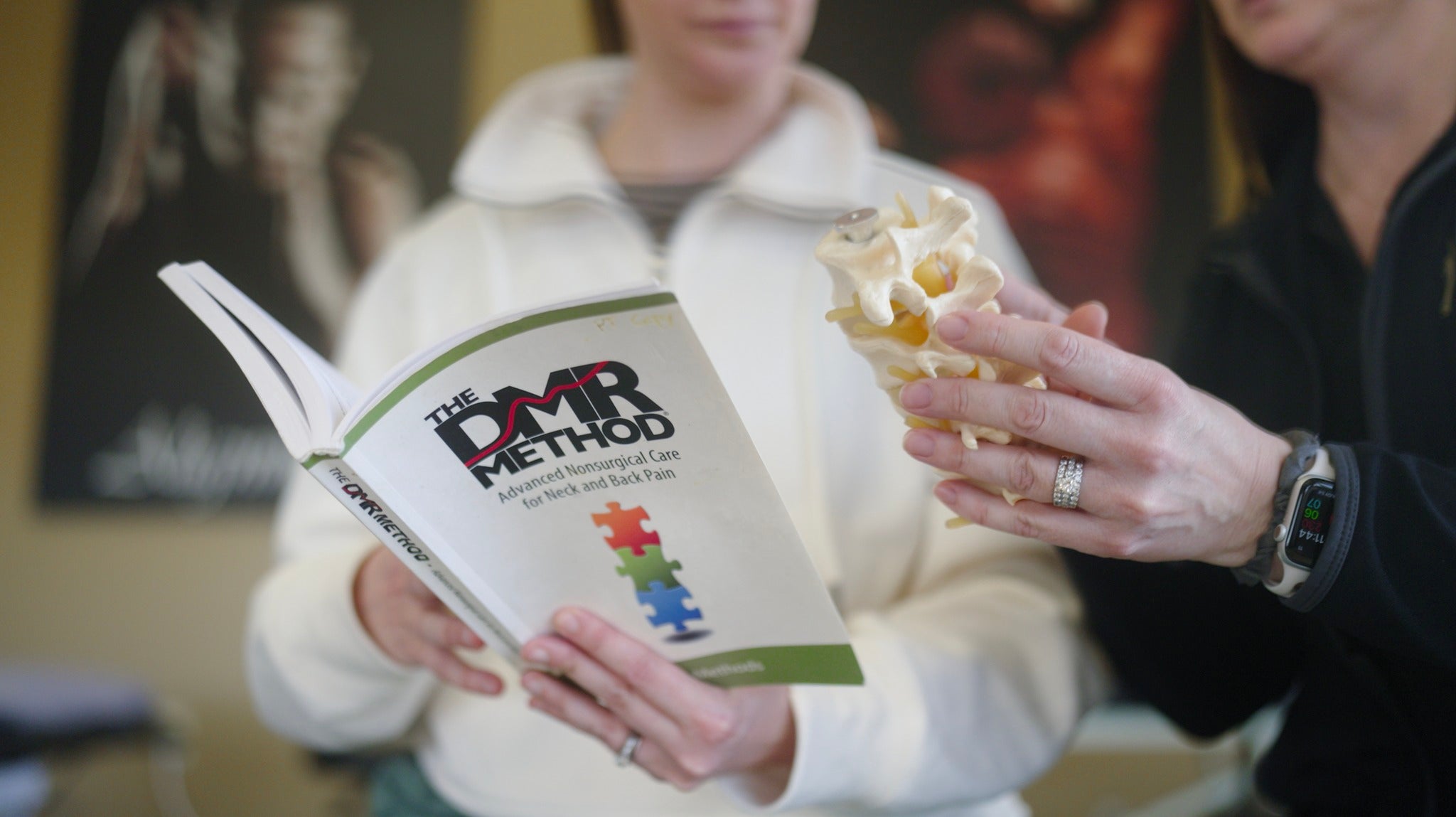
Diagnose, Manage and Rehabilitate
It started as a collaborative effort among physical therapists, chiropractors, orthopedists, neurosurgeons, and radiologists who came together with one goal: to improve patient care and outcomes by learning to work more effectively as a team. From this collaboration, the DMR Method was created.
The DMR Method is the first integrated care protocol to combine the expertise of a diverse group of healthcare professionals, supported by research that includes pre- and post-treatment MRIs and functional index scores, which measure a patient’s ability to perform everyday physical activities. The DMR Method has helped thousands of patients nationwide avoid spinal surgery and other invasive procedures.
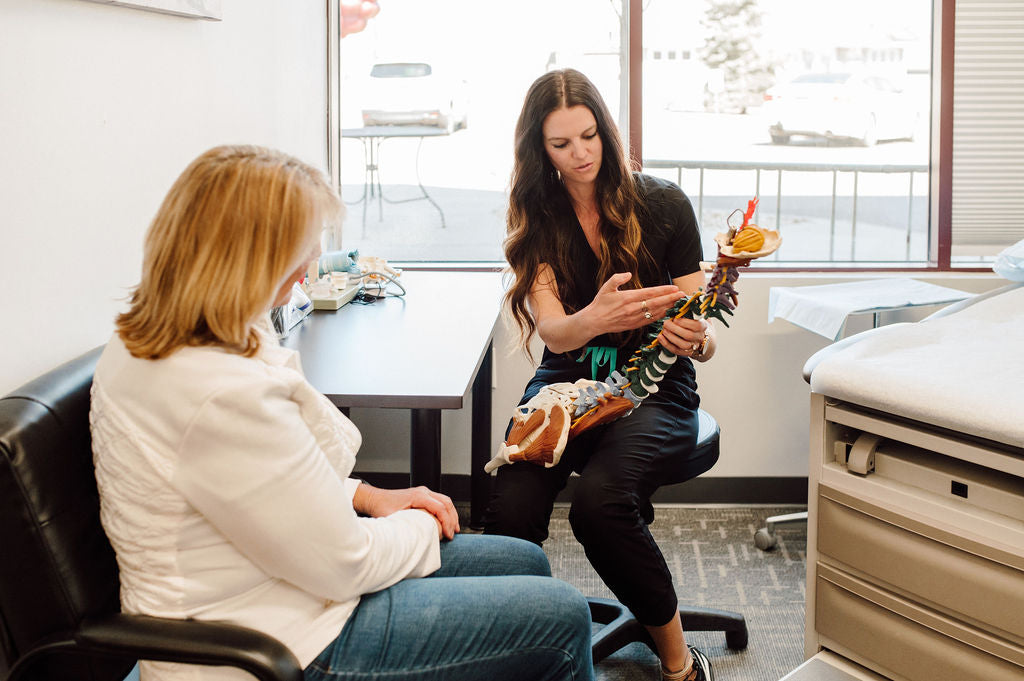
What is the DMR Method?
The DMR Method is a unique combination of treatment modalities provided in a specific order by a team of physical therapists, chiropractors, and allied medical providers.
Many patients we see have already been treated with some of the individual components that comprise the DMR Method, but in the wrong order or the wrong combination.
What is the DMR treatment process?
Evaluation and treatment is provided by a team of healthcare providers that includes physical therapists, chiropractors, and allied medical providers. Once the primary cause of a condition has been identified, treatment progresses through three phases: relief, repair, and rehabilitation.
The clinical process includes elements developed specifically for the DMR Method that work together synergistically to help patients achieve rapid and optimal results:
- Progression of joint manipulation (Integrated Progressive Manipulation)
- Muscle massage and mobilization protocol (Dynamic Muscle Technique)
- Progression of traction – developed by the DMR Method clinical team
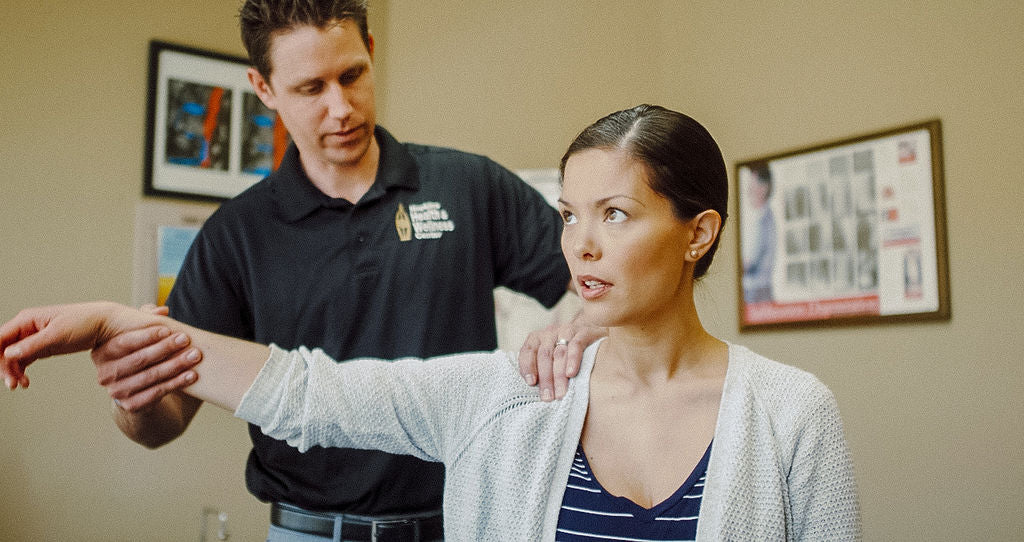
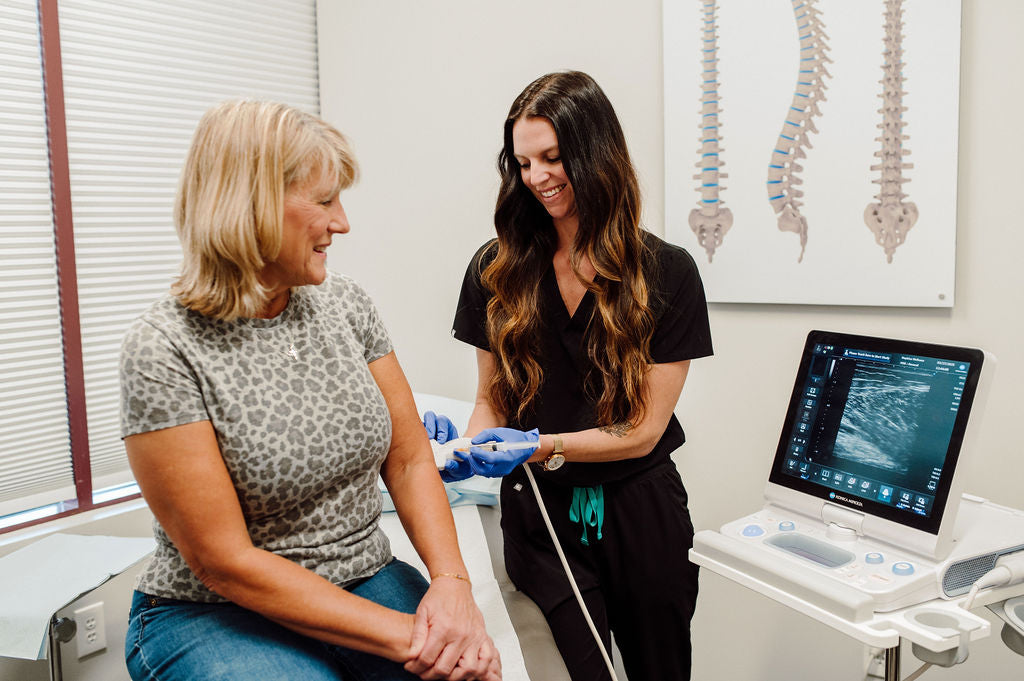
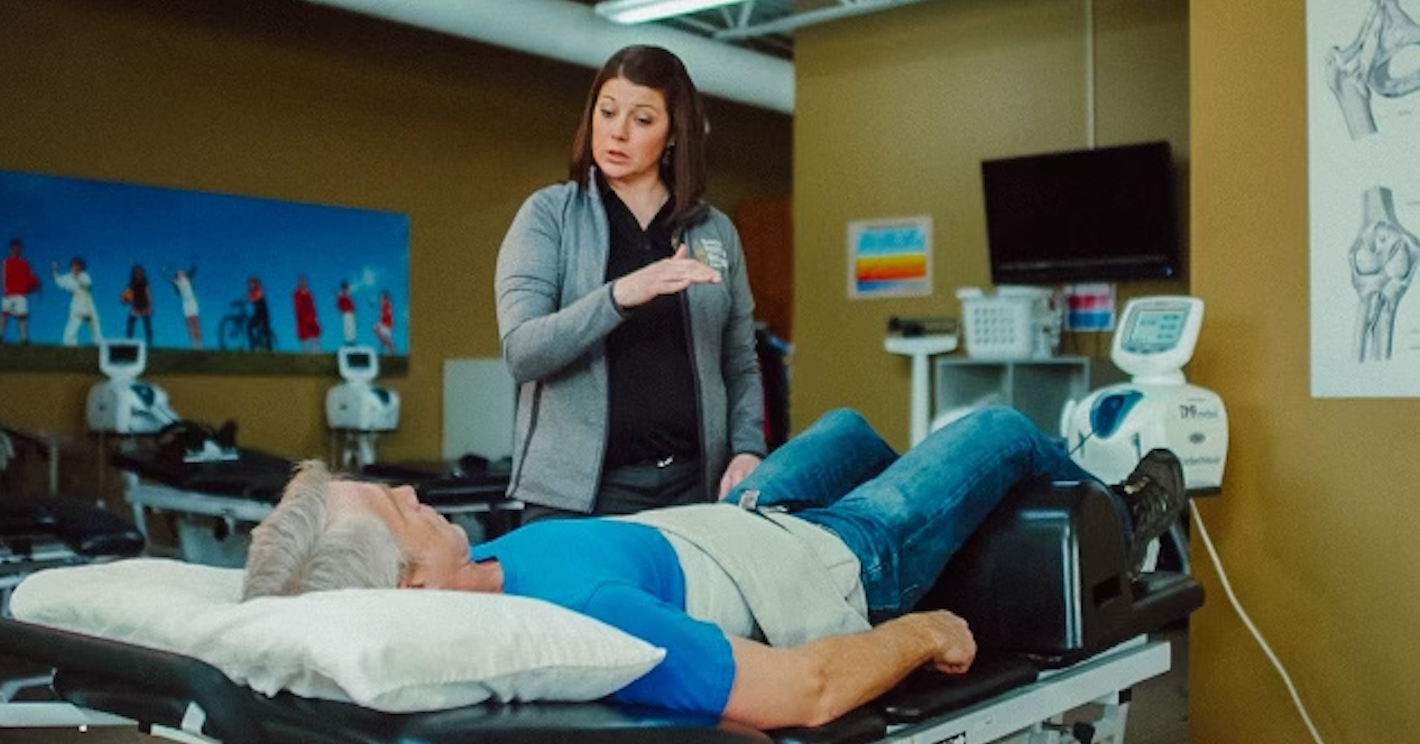

The focus of treatment is to decrease symptoms rapidly and improve the underlying cause of the condition by restoring mobility, alignment, and stability to the spine. After completing the DMR Method treatment program, the patient is given an after-care program to independently support and stabilize their recovery.
Real Results. Real Relief.
In partnership with Center for Diagnostic Imaging
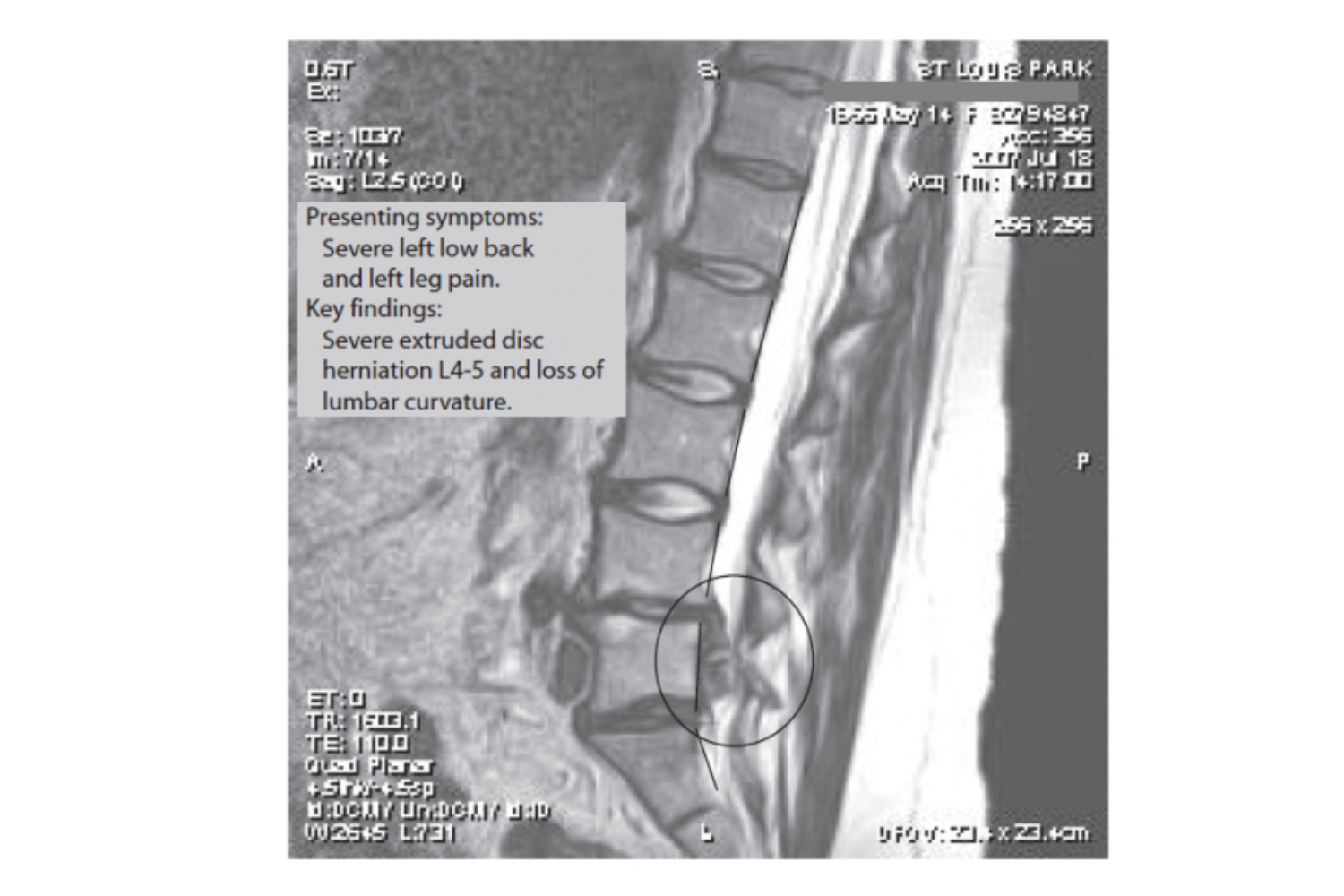
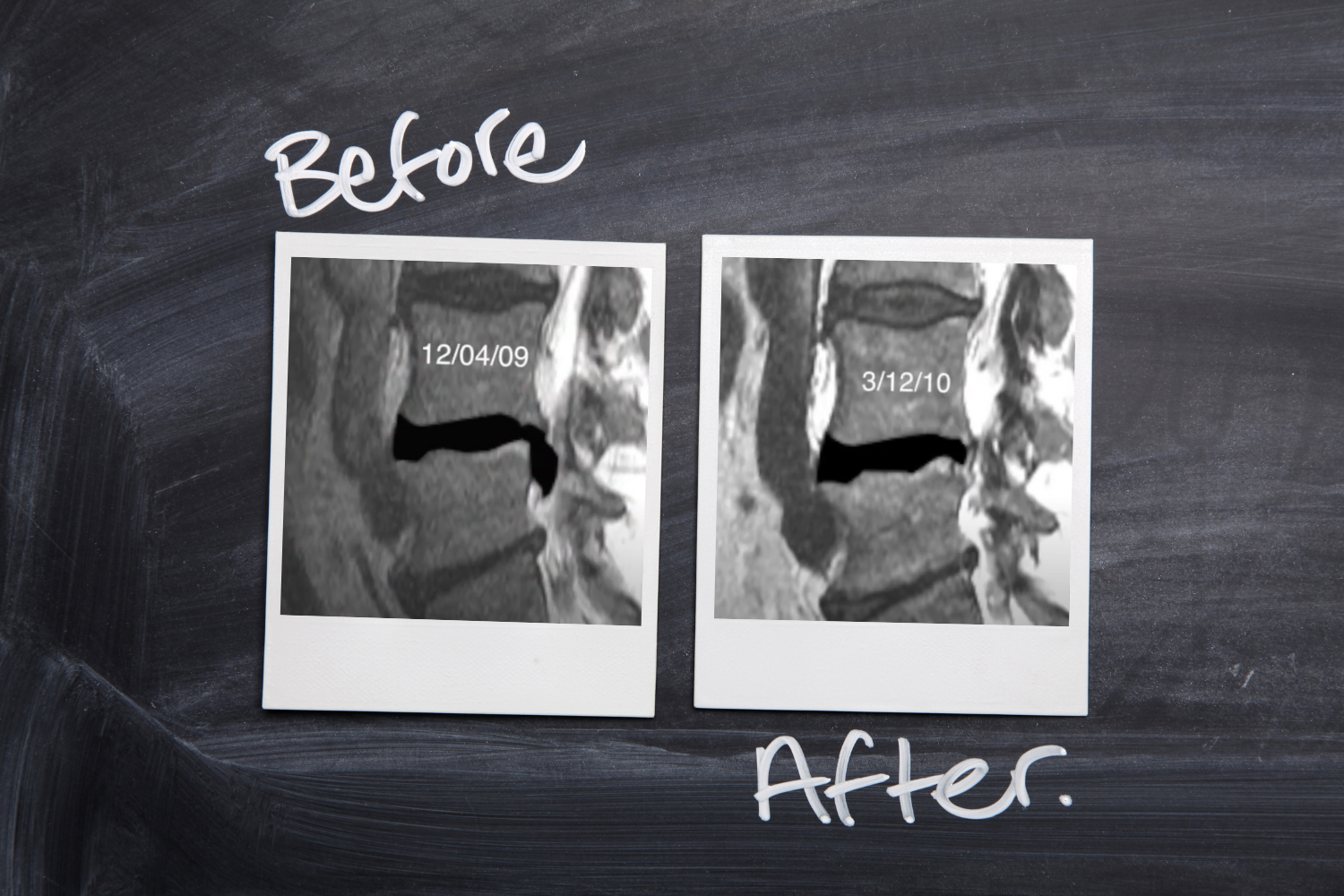
Pre-Treatment MRI of the Lumbar Spine
Radiologist Interpretation: There is a large disc herniation extruding caudally on the left downward from L4-5 to nearly the inferior L5 endplate. This measures 21 mm in cephalocaudad dimension by 10 mm in AP dimension and markedly compresses the left L5 nerve root sleeve at the subarticular and lateral recess.
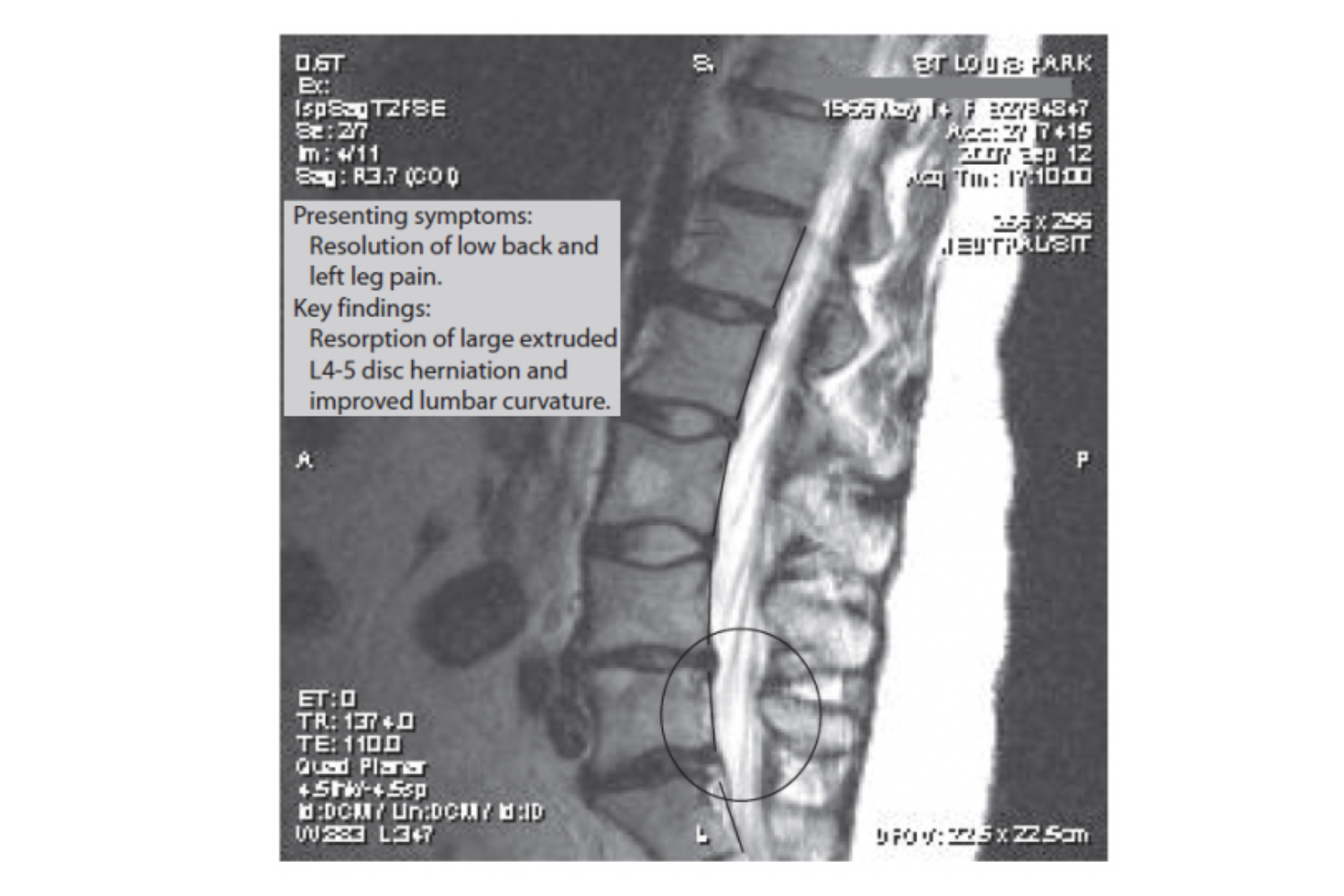
Post-Treatment MRI of the Lumbar Spine
Radiologist Interpretation: There has been marked interval resorption of the previously noted large extruded caudal extending disc herniation at L4-5.
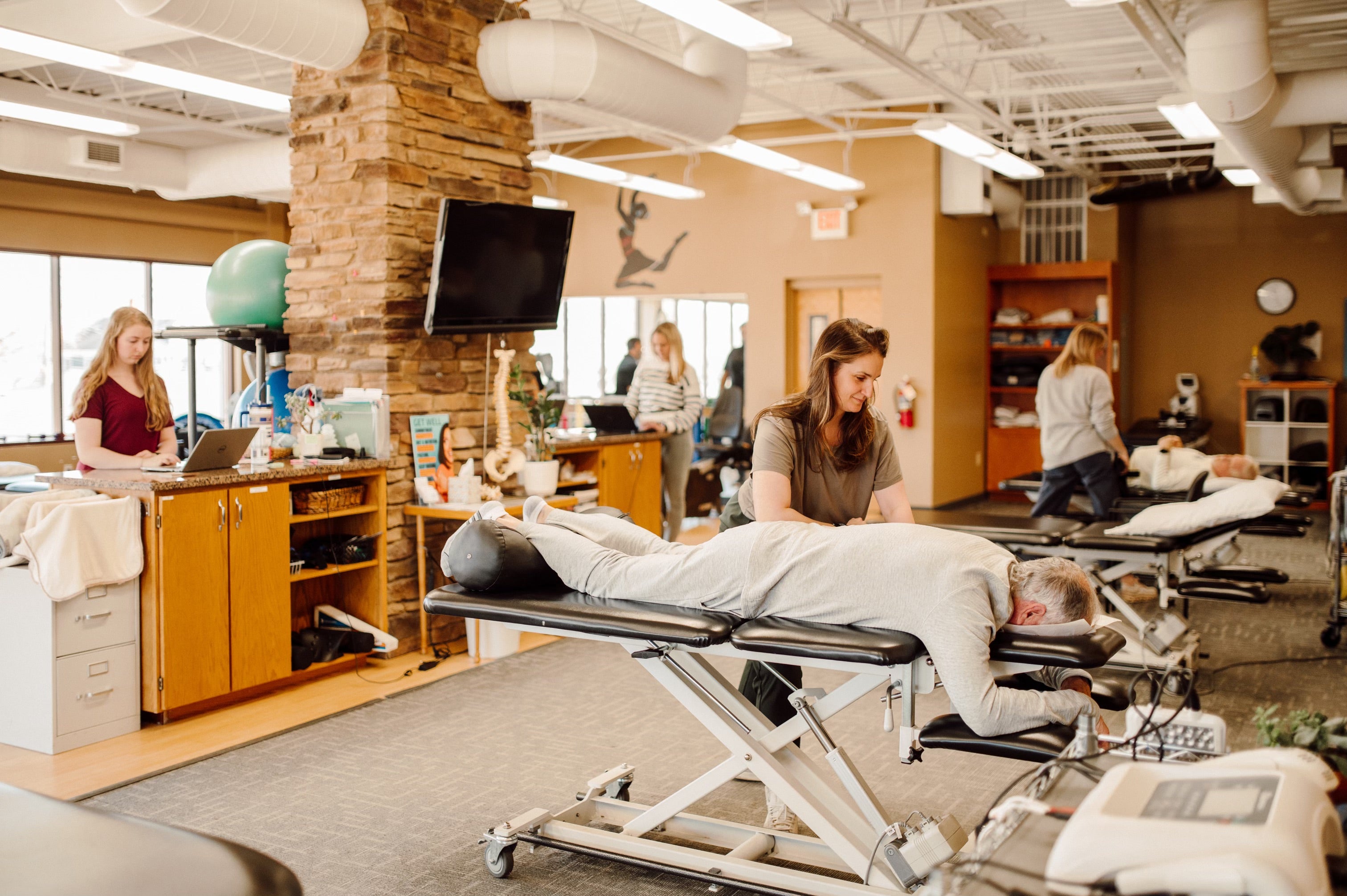
Hear Joe's Story
Joe had surgery on a lumbar disc herniation. The herniation reoccurred a few years later and instead of surgery again, he decided to try the DMR Method of non-surgical treatment at Hopkins Health & Wellness Center. Watch Joe tell his story and see his amazing results.